
Roof and Gutter Drainage Considerations in Slough
Slough’s urban layout and building density create a distinct environment for roof drainage systems, shaped by closely spaced properties, extensive hard surfaces, and limited ground permeability. Much of the town is characterised by residential streets where water runoff is managed across compact rooflines and shared drainage routes rather than dispersed open ground. These conditions influence how effectively rainwater is collected and discharged during regular weather patterns.
The housing stock includes a large proportion of terraced and semi-detached homes, alongside flats and mixed-use buildings, many of which were constructed in phases over several decades. Variations in roof design, gutter alignment, and discharge points are common, particularly where older structures sit alongside newer developments. In dense areas, small inefficiencies in drainage can become more noticeable during sustained rainfall.
This page explores the key local factors that influence roof and gutter drainage in Slough, focusing on how urban form, building design, and surface coverage shape system performance across the year.
Rainfall Runoff and Impermeable Surfaces
Slough’s highly developed landscape means that a large proportion of rainfall is directed onto hard, impermeable surfaces rather than being absorbed naturally into the ground. Roofs, paved driveways, and surrounding hardstanding often channel water quickly toward guttering systems, increasing the volume of runoff that must be managed during even moderate rainfall. This can place consistent pressure on drainage routes rather than creating isolated peak events.
In residential areas with limited green space, water has fewer opportunities to disperse once it leaves the roof. As a result, gutter systems are relied upon to move water efficiently from collection points to discharge areas without interruption. Where surface gradients are shallow or discharge points are constrained, runoff behaviour can become less forgiving during prolonged wet periods.
Within Slough, roof drainage performance is closely linked to how well systems cope with this concentration of runoff. Understanding how impermeable surroundings influence water flow helps explain why minor restrictions can have a disproportionate impact in dense urban settings.
Housing Density and Shared Rooflines
Large parts of Slough are made up of tightly arranged terraced and semi-detached housing, where rooflines sit close together and drainage components are often shared or interconnected. In these settings, gutter runs may span multiple properties, and downpipes can serve more than one roof section. This creates dependencies that are less common in detached housing, where systems operate independently.
Small alignment issues or localised restrictions can therefore affect water movement beyond a single section of roof. Where buildings have been extended or modified over time, variations in roof height and junction detail can introduce uneven flow patterns. These inconsistencies tend to reveal themselves during sustained rainfall, when water is less able to clear between weather events.
In Slough, drainage reliability is often shaped by how these shared sections are configured and maintained, particularly where multiple rooflines converge or discharge through limited outlets.
Urban Debris Sources and Accumulation Patterns
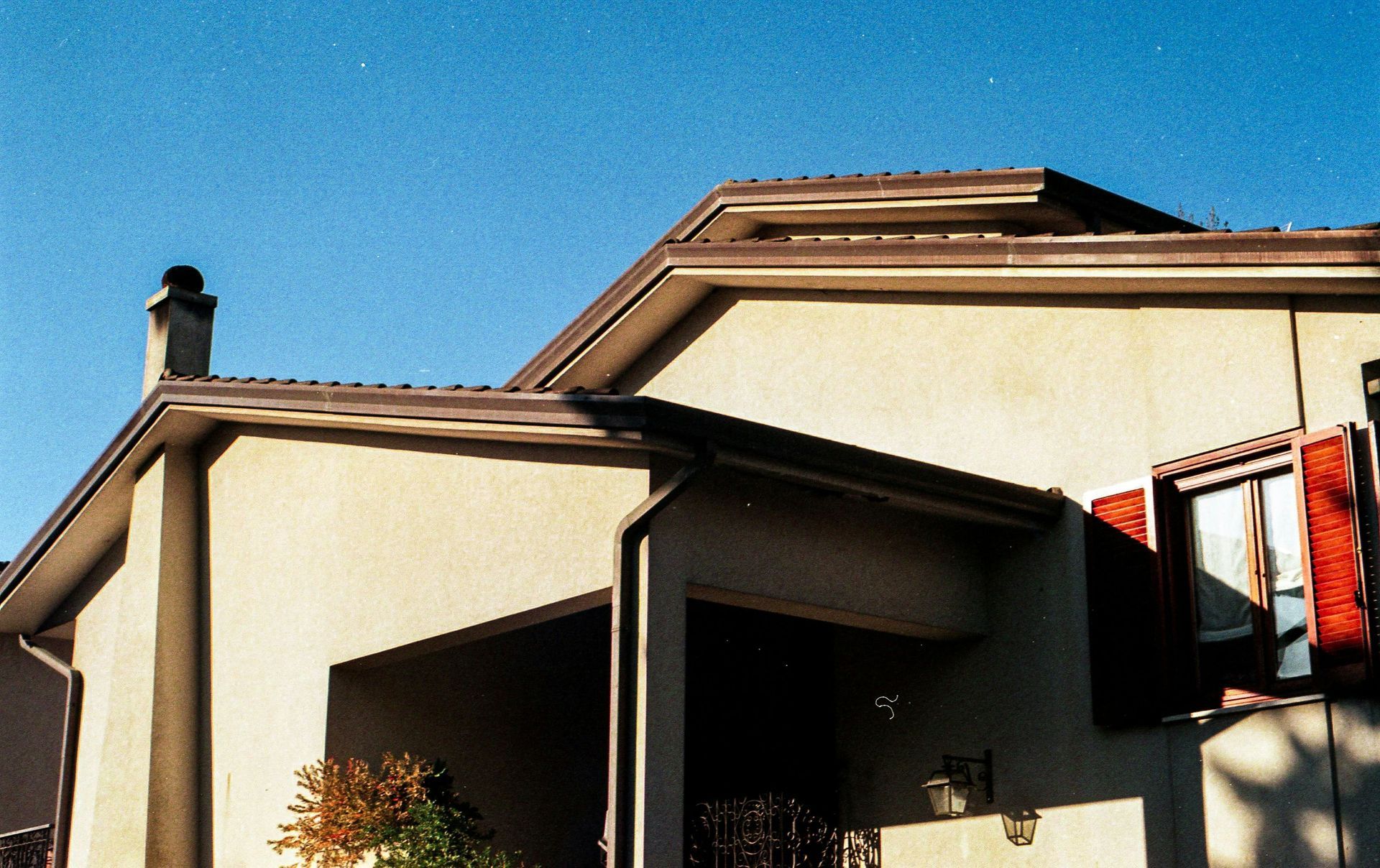
In an urban setting like Slough, debris entering roof drainage systems often comes from a broader mix of sources than in leaf-heavy suburban or rural areas. Fine airborne material from roads, nearby construction activity, and general urban dust can settle gradually on roof surfaces, particularly during dry periods. When rainfall returns, this material is carried into guttering where it can begin to collect at joints and outlet points.
Flat or shallow-pitched roofs, which are common on extensions and mixed-use buildings, can further encourage debris to linger rather than wash clear naturally. Over time, this slow accumulation can restrict water flow without producing obvious external signs. These conditions mean that drainage issues often develop incrementally rather than appearing suddenly after storms.
In Slough, reduced performance is therefore frequently linked to gradual buildup rather than single blockage events. How debris accumulation is managed plays a key role in maintaining consistent water flow in densely built environments.
Gutter Materials and Long-Term Urban Wear
Roof drainage systems in Slough reflect the town’s varied development timeline, with older properties often retaining original metal components and newer buildings using more modern materials. In an urban environment, material performance is influenced not only by rainfall but also by constant exposure to airborne pollutants, temperature fluctuations, and mechanical stress from shared structures.
Joints, brackets, and fixings are particularly affected where gutter runs extend across multiple roof sections or where access for adjustment is limited. Over time, minor movement or surface wear can alter alignment, reducing efficiency even where no visible damage is present. These changes tend to occur gradually, making them easy to overlook until water begins to overflow during routine rainfall.
In Slough, long-term drainage reliability is closely tied to how materials respond to sustained urban conditions rather than isolated weather events. Understanding these patterns helps explain why system performance can vary significantly between properties that appear structurally similar.